January: A Deep Dive into the Heart of Winter
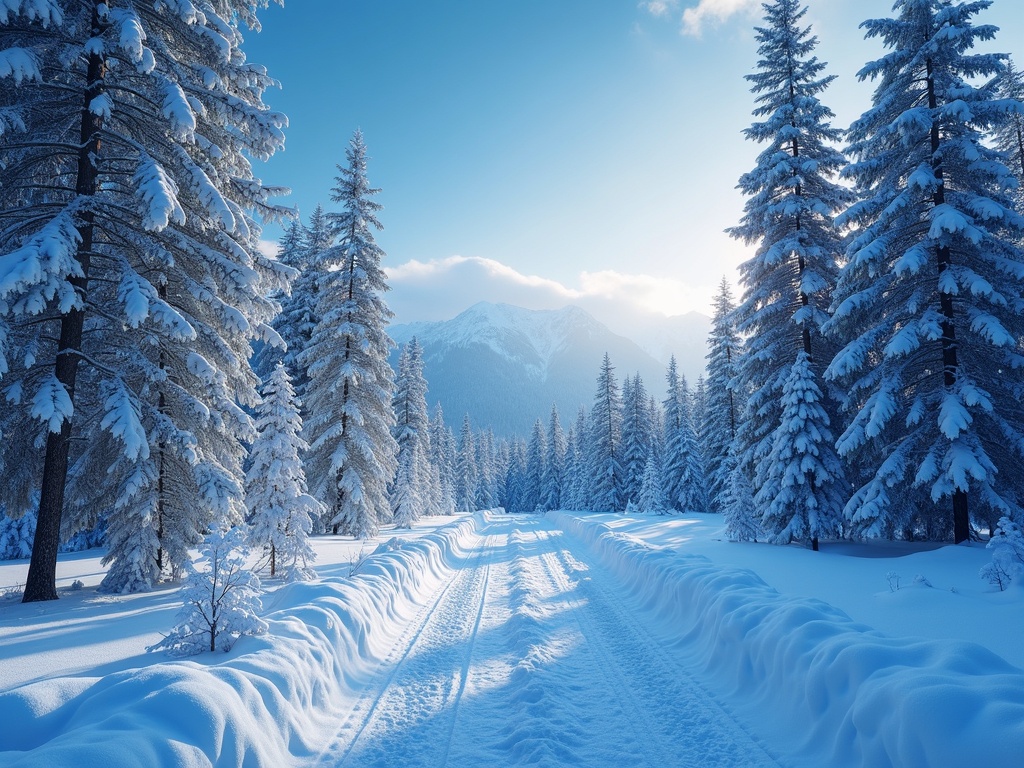
Imagine waking up to a world blanketed in white, the air crisp and biting, the silence broken only by the crunch of snow underfoot. This is January, the month that often feels like winter’s deepest breath, a time of both stark beauty and bracing challenges. But what exactly makes January so, well, January-ish? Let’s delve into the weather phenomena that define this pivotal month.
The Science Behind January’s Chill
January, named after the Roman god Janus, who represents beginnings and transitions, truly embodies its namesake. It’s a time of transition between the fading warmth of autumn and the distant promise of spring. But scientifically, what factors contribute to January’s characteristic cold?
Earth’s Tilt and Sunlight
The primary driver of January’s weather is the Earth’s tilt on its axis . During this time of year in the Northern Hemisphere, the hemisphere is tilted away from the sun. This results in shorter days and lower solar angles, meaning sunlight has less intensity and warms the surface less effectively. It’s like holding a flashlight at a slant versus shining it directly down – the slanted light spreads out, delivering less concentrated energy.
Atmospheric Circulation
Global wind patterns also play a crucial role. The polar vortex, a large area of low pressure and cold air surrounding both of the Earth’s poles, tends to be strongest in winter. Occasionally, this vortex can weaken and expand, sending frigid Arctic air southward into mid-latitude regions, leading to extreme cold snaps in January. These are the events that can bring record-breaking low temperatures and blizzards.
Land vs. Water Temperatures
Land and water heat up and cool down at different rates. Land loses heat much faster than water. By January, large landmasses in the Northern Hemisphere have had months to radiate their heat into the atmosphere, resulting in lower land temperatures. The oceans, however, retain heat for longer, moderating temperatures in coastal areas to some degree.
Regional Variations: A World of January Weather
While January is generally associated with cold, the specific weather conditions vary dramatically across the globe.
North America: From Arctic Blasts to Pacific Rain
In North America, January can bring blizzards and bone-chilling temperatures to the Midwest and Northeast. The Pacific Northwest, however, experiences milder, rainy weather due to the influence of the Pacific Ocean. The southern states often see a mix of cool, sometimes frosty mornings and moderately warm afternoons.
Europe: A Continent of Contrasts
Europe’s January weather is equally diverse. Northern Europe, including Scandinavia and Russia, endures long nights and frigid temperatures. Central Europe experiences cold, often snowy weather, while Southern Europe enjoys milder, Mediterranean climates with average temperatures significantly higher [externalLink insert].
Asia: Monsoons and Mountain Blasts
Asia’s vast size leads to extreme variations. Siberia experiences some of the coldest temperatures on Earth. East Asia is affected by the East Asian Monsoon, bringing cold, dry winds from the interior. Southeast Asia, on the other hand, enjoys warmer temperatures and the tail end of the rainy season in some regions.
Southern Hemisphere: A Summer Escape
In the Southern Hemisphere, January falls during summer. Countries like Australia, South Africa, and Argentina experience warm to hot temperatures. This is their time for beaches, barbecues, and outdoor activities, a stark contrast to the wintery conditions in the north.
Extreme Weather Events in January
January has been known to host some truly remarkable and sometimes devastating weather events.
Blizzards and Snowstorms
Heavy snowfalls and blizzards are a common occurrence in many parts of the world during January. These storms can disrupt transportation, cause power outages, and even lead to fatalities. The Blizzard of ’96, which struck the Eastern United States, is a prime example of the kind of crippling snowstorm that January can deliver.
Ice Storms
Ice storms, caused by freezing rain, can create treacherous conditions. A coating of ice can weigh down trees and power lines, leading to widespread damage. These storms can be particularly dangerous due to the slick surfaces they create.
Extreme Cold Snaps
Arctic air outbreaks can send temperatures plummeting to dangerously low levels. These extreme cold snaps can cause hypothermia and frostbite, and can also damage infrastructure. Cities unprepared for such extreme temperatures can face breakdowns in essential services.
Unusual Warm Spells
While January is typically cold, there have been instances of unusual warm spells. These periods of unseasonably warm weather can be a welcome respite from the cold, but they can also disrupt ecosystems and lead to early melting of snowpack, potentially impacting water resources later in the year .
Preparing for January’s Weather
Given the potential for extreme weather, preparing for January is crucial.
Home Preparation
**Insulation:Ensure your home is properly insulated to conserve heat and reduce energy costs.
**Heating System:Have your heating system serviced to ensure it’s running efficiently and safely.
**Emergency Kit:Prepare an emergency kit with essentials like flashlights, batteries, blankets, and non-perishable food.
**Generator:Consider investing in a generator in case of power outages, especially in areas prone to winter storms.
Vehicle Preparation
**Winter Tires:Install winter tires for better traction on snow and ice.
**Antifreeze:Check your vehicle’s antifreeze levels to prevent freezing.
**Emergency Kit:Keep an emergency kit in your vehicle with items like jumper cables, a flashlight, a blanket, and a shovel.
**Safe Driving Practices:Practice safe driving techniques for winter conditions, such as driving slowly and increasing following distance.
Personal Preparation
**Dress Warmly:Wear layers of warm clothing to protect yourself from the cold.
**Stay Informed:Monitor weather forecasts and warnings.
**Stay Safe:Avoid unnecessary travel during severe weather events.
**Check on Others:Check on elderly or vulnerable neighbors and relatives to ensure their safety.
The Psychological Impact of January Weather
The long, cold days of January can also have a psychological impact. Seasonal Affective Disorder (SAD), a type of depression related to changes in seasons, is more common during the winter months due to reduced sunlight exposure .
Combating Winter Blues
**Light Therapy:Use a light therapy lamp to simulate natural sunlight.
**Stay Active:Exercise regularly to boost mood and energy levels.
**Socialize:Stay connected with friends and family to combat feelings of isolation.
**Vitamin D:Talk to your doctor about taking vitamin D supplements, as sunlight is a primary source of this essential vitamin.
**Healthy Diet:Maintain a healthy diet to support overall well-being.
January in Folklore and Culture
Across various cultures, January holds significance, often linked to themes of renewal, reflection, and perseverance. Many New Year’s traditions fall in January, symbolizing a fresh start. In some cultures, January is a time for indoor activities, storytelling, and community gatherings, a way to cope with the challenging weather and strengthen social bonds .
Looking Ahead: January and Climate Change
While January is, by nature, a cold month in many parts of the world, it’s essential to consider the potential impacts of climate change. Changes in global weather patterns could lead to more extreme and unpredictable January weather, including more intense storms, unusual warm spells, and shifts in precipitation patterns. Understanding climate change and its effects on seasonal weather is crucial for adapting and mitigating its impacts. As humanity continues to grapple with complex environmental challenges, every little action can bring about a big impact. You can look into ways to reduce your carbon footprint today.
Conclusion: Embracing the Stark Beauty of January
January, with its stark landscapes and biting winds, is a month of contrasts. It’s a time of challenge and resilience, of quiet reflection and hopeful anticipation. While the weather can be harsh, it also creates a unique beauty, a stark reminder of the power of nature. By understanding the science behind January’s weather and preparing for its potential extremes, we can not only survive but also appreciate the unique character of this pivotal month. So, embrace the chill, bundle up, and venture out to experience the stark beauty that January has to offer – a world transformed by ice and snow, a landscape both unforgiving and breathtakingly beautiful.
Leave a Reply